The Tailored vs Softly-Draped Bag Silhouettes— A Closer Look
Through years of dedicated craft, Salvatore Ferragamo has perfected the vocabulary of Italian leather goods, and this mastery shows through most clearly in the tension between two contrasting design philosophies: the precise, architectural shaping of structured styles balanced with the loose, casual comfort of slouchy shapes.
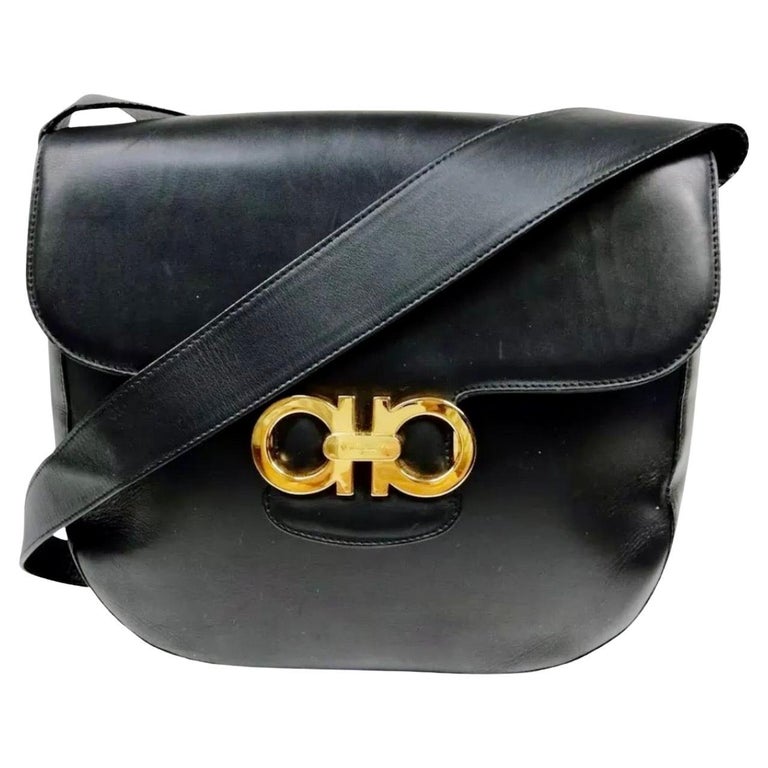
Today, anyone browsing a Ferragamo shop will notice that the label avoids favoring either style; instead, it crafts twin accessory collections—one grounded in structure, the other shaped by motion.
Grasping this distinction matters if you want to pick a piece that will truly prove its worth in daily rotation rather than sit in a dust bag.
Not merely a superficial trait, this difference runs deeper. Relying on inner frameworks, reinforced panels, and precise stitching, structured styles hold a fixed shape regardless of how packed they become. On the flip side, softer, unstructured styles lean on softer hides and less rigid tailoring, allowing it to crease and drape uniquely depending on the way it’s worn. Throughout the latest Ferragamo bags lineup, these two philosophies show up, both earning devoted fans for very different reasons. What follows dissects what separates the two, where the construction differs, and which styles from the brand’s current catalogue lean into each approach.
Decoding “Structured” in Build Language
A boxy-construction Ferragamo bag typically starts with a firm structural base, commonly supported by a firm board or thick foam layer fixed between two layers of leather. As a result, the bag stays perfectly upright on a table, resisting any lean or collapse. The Ferragamo Studio bag is the clearest example in the current range: its boxy silhouette, sharp corners, and top handle depend entirely on salvatore ferragamo shoulder bag this internal architecture. Without that stiffening, the very same leather would collapse into a flat sheet.
Within structured designs, hardware plays a bigger role than most shoppers assume. Because unsupported leather can’t handle recurring strain at one spot without warping or ripping eventually, these hardware elements all require a sturdy body to be secured to. Structured bags from Salvatore Ferragamo tend to feature more substantial closures for this reason, whereas slouchy styles rely more on zips or magnetic snaps that don’t require the same structural support.
Hide choice differs also. Structured pieces typically use full-grain or slightly refined hides that hold a crease line precisely where it’s cut, resulting in that sharp, almost sculpted finish. This is part of why structured bags photograph so consistently — the shape doesn’t shift between shots, which matters for a Ferragamo shop trying to represent a product accurately online. The trade-off is weight; structured bags average heavier than their slouchy counterparts because of the internal reinforcement.
Finally, bags with a defined structure generally retain their resale worth more reliably. Given that the form doesn’t deteriorate the way soft leather can slump or wrinkle with age, a structured Salvatore bag purchased today is more likely to look presentable in five years with simple maintenance. This is a practical consideration for anyone regarding a Ferragamo bag as a lasting investment piece rather than a seasonal purchase.
A Argument for a Slouchy Fit: Ease, Gentle Texture, and Daily Functionality
Stiffness gets traded for wearability in slouchy bags, and that trade-off brings tangible advantages. A softer hide, often napa or a subtly grained calfskin, moves with the body rather than fighting it, and that’s why relaxed hobo and shoulder silhouettes remain popular for the daily commute. In its more relaxed versions, the Ferragamo Wanda embodies this idea — it grows roomier without ever appearing overloaded, since the hide is designed to give rather than resist.
How weight is distributed shifts with slouchy construction as well. Because there’s less internal hardware and stiffening material, these bags are frequently lighter, which matters over an eight-hour workday when a bag stays on one shoulder. Those looking into the best Ferragamo bags for travel frequently lean toward slouchy styles precisely since they compress slightly to fit into carry-on luggage without holding a stiff, room-hogging silhouette.
This visual rationale also plays a role. Softly slouched styles present as more relaxed and less blatantly branded, which appeals to buyers who want their Salvatore Ferragamo bags to sit quietly within regular ensembles rather than announce themselves. With denim, tailored trousers, and other looks, a stiff, boxy accessory would look out of step with the overall look, which is why the relaxed drape fits so naturally.
We should be upfront about an aspect of durability worth addressing candidly. Soft leather is more susceptible to noticeable creases and surface lines as it ages, most notably if it’s frequently stored without stuffing or kept in poor conditions. That’s not to say it deteriorates more quickly in terms of its actual construction, but its look will shift more perceptibly than a stiffer-constructed style. Anyone wanting a relaxed, slouchy style to keep its just-bought appearance after extended years in rotation need to pay closer attention to filling it with tissue paper during storage.
Contrasting the Two Strategies Side by Side
To ground the distinction in something real, consider how Ferragamo bags built with structure stack up against relaxed ones across the factors that matter most for a real buyer: shape retention, weight, everyday flexibility, and how they age.
| Factor | Tailored-Shape Styles | Relaxed Styles |
|---|---|---|
| Shape retention | Holds a set silhouette no matter contents | Shape adapts depending on what’s inside and how it’s carried |
| Usual load | Weightier due to inner structuring | Less substantial, easier for all-day wear |
| Best use case | Office settings, dressy occasions, minimalist wardrobes | Travel, casual daily use, layered looks |
| Aging characteristics | Maintains sharp lines across years of wear | Develops relaxed folds; a patina full of character |
| Metal detailing | Bolder clasps, structural frames, and closures | More understated zips or magnetic closures |
| Upkeep requirements | Low — structure needs no help | Calls for filling to avoid lasting wrinkles |
It isn’t that one style is inherently better; instead, the better fit hinges on real-world daily use. A formal-office, car-commuting lifestyle tends to favor structured bags for their consistency, whereas frequent travelers and transit users may prefer the reduced fatigue slouchy bags offer over time.
Breaking Down the Latest Ferragamo Bags Overview by Grouping
Within the present Ferragamo range, the range is roughly split into three functional tiers: structured top-handle bags suited to formal or office use, crossbody and shoulder options that balance rigidity and ease, and fully soft hobo bags built around roominess and ease. Thanks to this structure, customers can shift styles without leaving the brand’s ecosystem.
Ferragamo’s tailoring heritage shows up at its clearest in this particular tier. Clean edges, symmetrical stitching, and tone-matched hardware finishes often echo the exactness of Ferragamo’s shoes. As a result, this tier often leads any shortlist of the best Ferragamo bags for professional settings, given how consistently the shape holds across desks and meeting rooms.
Sitting between rigidity and ease, crossbody pieces are possibly the most flexible pick in today’s collection. A build that’s firm yet giving keeps shape close to the body, while the strap and side panels offer just enough flex to stay from looking rigid. It’s no surprise, this tier is often listed among the top Ferragamo bags for buyers after a bag that photographs well and handles daily life.
Soft hobo-and-tote pieces fill out the lineup, and it’s here that the brand commits most fully to the use of supple hides. Such styles often rely on bigger panels and minimal stitching, which simultaneously softens the structure and highlights the leather’s true character, since fewer seams mean nothing competes visually with the leather. For those evaluating the best Salvatore Ferragamo bags across categories, this gentler category tends to score highest on comfort but lower on formal-occasion versatility.
Picking the Right One of the Two for Real-World Use
Instead of consulting your aspirational picks, the wisest approach to decide is to audit your real week. Tally the days spent anchored at a desk against those spent shuttling between places, and admit whether you’re the kind of person who empties a bag nightly or lets it stay stuffed for weeks on end. Steady habits and foreseeable wear are what rigid-frame styles reward, while adaptability and forgiveness of erratic habits are the strengths of softer, unstructured styles.
Budget also plays into this decision indirectly. Because structured bags require more components — internal stiffening, sturdier hardware attachments, precise panel cutting — they often demand more labor hours in production, which can be seen in how comparable sizes are priced by a Ferragamo shop across both categories. This isn’t a fixed principle, but it’s a tendency worth keeping in mind if price weighs into the decision alongside design preference.
Climate and regional habits matter more than most buyers expect. In humid environments, more pliable, unstructured leathers can take on more dampness and demand extra care and treatment, while rigid-frame styles with treated or coated leather panels tend to hold up somewhat better against the elements. Anyone shopping ferragamo bags for year-round use in a variable climate should factor this into the decision instead of basing the choice on looks alone.
When it comes down to it, a good number of Ferragamo owners wind up owning both types — a structured bag reserved for formal or unpredictable moments, and a slouchy piece for daily life that doesn’t need to perform under scrutiny. That pairing reflects how the brand itself designs its collections: not as a single point of view, but as two unified solutions addressing two distinct daily challenges, both executed with the same underlying commitment to Italian leatherwork that has shaped Salvatore Ferragamo since it was founded.